


Apple Siri AI Adds Onscreen Awareness and Personal Context
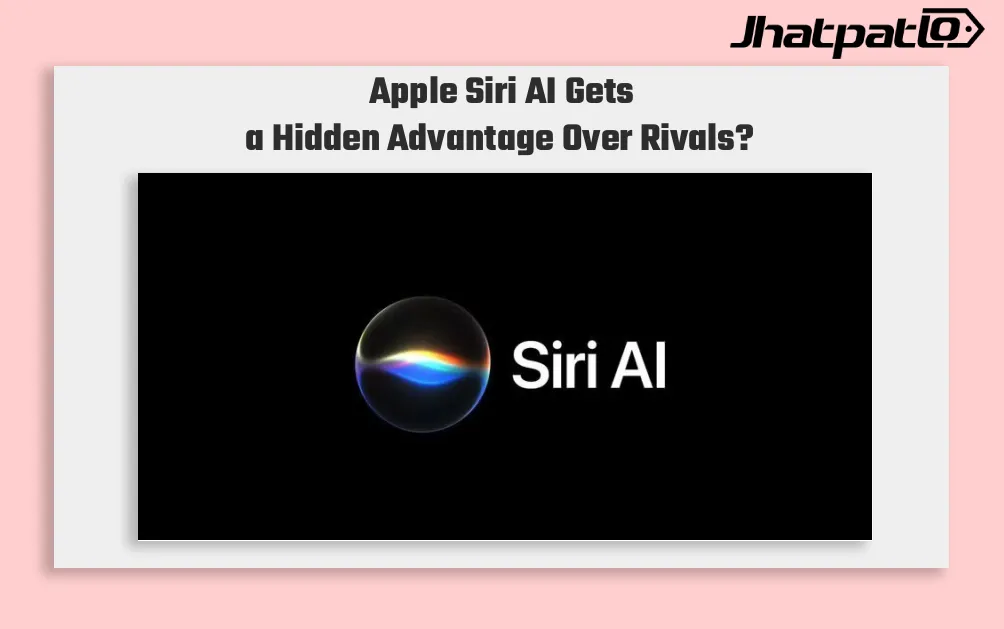
Apple is pushing Siri past basic voice commands and toward a more context-aware assistant. The update brings onscreen awareness, personal context, and iCloud-synced continuity across Apple devices, while still keeping privacy and hardware support central to the rollout.
Apple Siri AI Gets a Dedicated App and iCloud Conversation History
Apple’s Siri update is designed to feel less like a standalone voice feature and more like part of the device experience. According to the outline, the assistant can now pull context from messages, email, photos, and what is currently on screen. That gives Siri a broader view of what the user is doing, which is a noticeable shift from the older command-and-search style.
The assistant will also keep conversation history synced through iCloud. In practical terms, that means a request started on an iPhone can be resumed on other Apple devices, including Apple Watch and Vision Pro, along with iPad and Mac. This kind of continuity is clearly aimed at people who move between Apple products during the day, where assistant memory has often felt limited.
For Apple, the point is not just convenience. It is also about making Siri useful as a task layer across devices rather than a voice shortcut that resets every time you switch hardware. That matters in an ecosystem where users often expect their phones, laptops, and wearables to work together without much friction.
Apple Siri AI Puts Privacy and Device Support at the Center
Apple says much of the processing runs on device or through Private Cloud Compute. That puts the company in a different position from cloud-first rivals such as Google Gemini and ChatGPT, which are often discussed in terms of broad cloud-based capability. Apple’s approach appears to be built around keeping more of the work close to the user’s device.
Privacy is only part of the story, though. The rollout is also tied to hardware support, since the more advanced Siri features depend on Apple Intelligence-compatible devices. That makes the update less universal than a standard software refresh. Some users will get the new experience, while others may need to upgrade before they can use the fuller version of Siri.
This kind of split is not unusual for major AI features, but it does shape how the product is received. For Apple users with newer devices, the assistant is becoming more conversational and more aware of context. For everyone else, the changes may be less immediate. In most cases, that means Apple’s AI push will be felt first by users already closest to the company’s latest hardware and services.
Taken together, the update suggests a more ambitious role for Siri inside Apple’s ecosystem. It is no longer just about answering requests. It is about using on-device context, shared history, and cross-device continuity to make the assistant more useful in everyday tasks. The limits are still important, especially around hardware access, but the direction is clear enough.
Related Products


Apple Plans Siri App Revamp With Gemini Access and New AI Features
Apple Plans Siri App for iPhone, iPad and Mac Apple is reportedly preparing a broader artificial intelligence push that includes a major Siri overhaul, with a standalone app under testing for iPhone, iPad and Mac. According to Bloomberg's Mark Gurman, the redesigned Siri interface could r...
Apple is testing Siri with Gemini and Claude in iOS 27 and what experts aren’t saying
Apple Said to Open Siri to Third Party AI Assistants Apple is reportedly preparing a major change to Siri that would let the assistant work with third party AI chatbots beyond ChatGPT. According to Bloomberg’s Mark Gurman, the system could arrive with iOS 27, alongside iPadOS 27 and macOS...
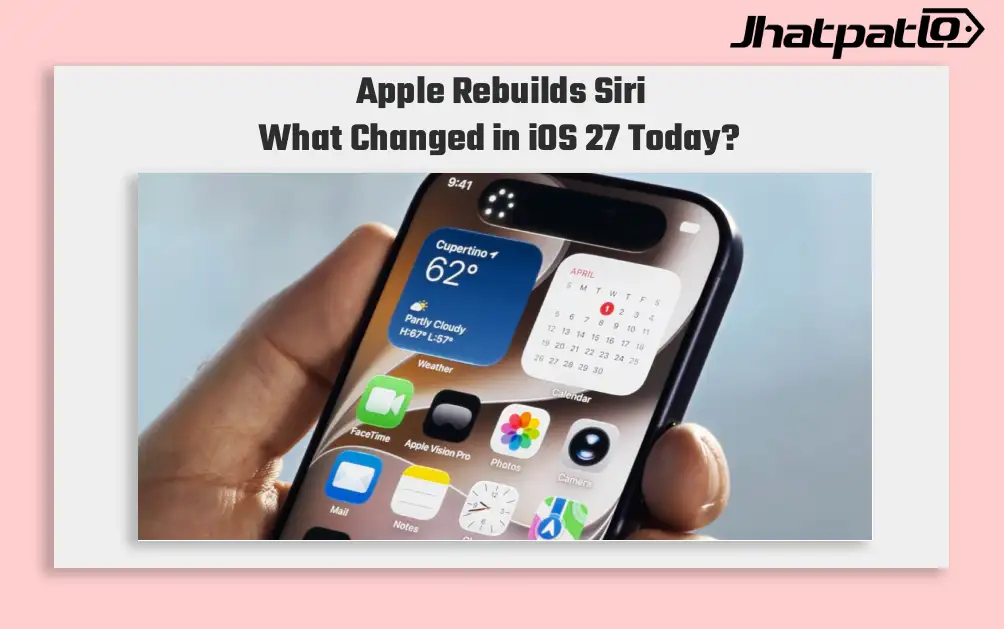
iOS 27 Adds Liquid Glass Controls and Faster App Launches
Apple’s iOS 27 update focuses on refinement, not a full redesign. The software brings Liquid Glass opacity controls, faster app launches, and a rebuilt Siri, while some AI features remain limited to iPhone 15 Pro and newer. Developer beta access starts first, public betas follow in July, and the...
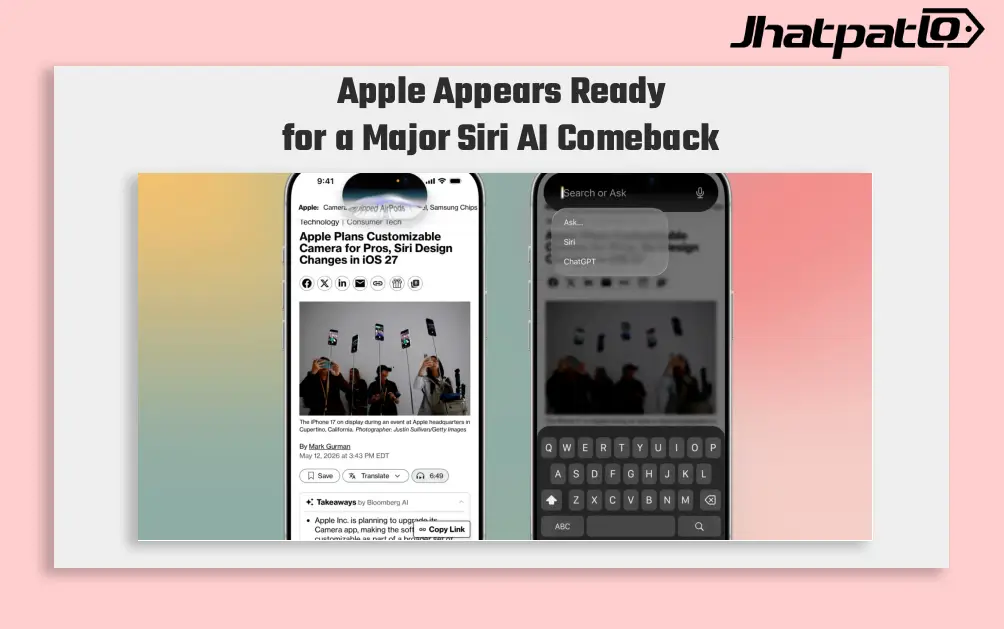
iOS 27 Leak Shows Apple Rebuilding Siri Around AI Search
Apple appears to be reshaping Siri inside iOS 27 Leaked iOS 27 illustrations suggest Apple is preparing a redesigned Siri experience built around AI search, Dynamic Island access and a new Search or Ask interface. The reported changes point to a broader shift in how Apple may place artificial...

iOS 27 Reportedly Brings Standalone Siri App to iPhone Home Screen
iOS 27 Reportedly Adds New Siri AppApple’s iOS 27 is expected to arrive in a few months, and reporting suggests it will include a standalone Siri app on the iPhone Home Screen. The app is described as part of Apple’s broader AI overhaul for Siri, with a new interface built around chats, saved conver...
Apple iOS 26.4 Beta Signals Siri Upgrades and Emoji Additions
Beta timeline and expected features Apple is preparing to roll out iOS 26.4, with the first developer beta planned for the week of February 23, according to Bloomberg journalist Mark Gurman. If testing stays on track, additional builds would follow later this month or in early March, and...