


Motorola Edge 70 Pro Plus vs OnePlus Nord 6: Cameras or Battery Life?
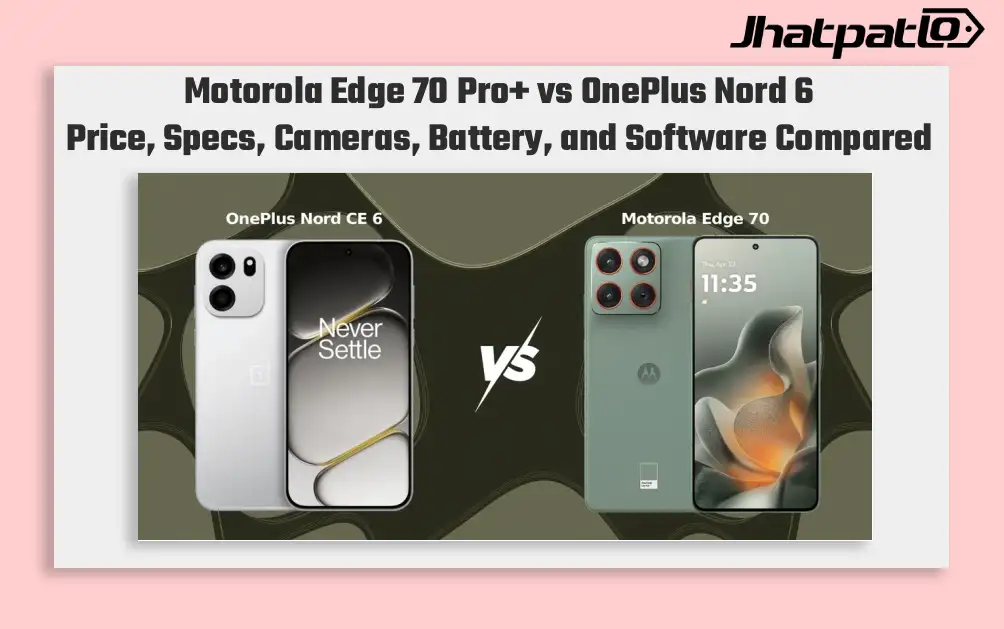
The premium mid-range in India has a clear split here. Motorola Edge 70 Pro+ focuses on triple 50MP cameras and a periscope lens, while OnePlus Nord 6 puts a 9,000mAh battery and faster support cycle front and center. If you are comparing phones in the Rs 43,000 to Rs 48,000 range, the differences are practical rather than cosmetic.
Motorola Edge 70 Pro+ brings triple 50MP cameras to the fight
Motorola’s camera setup is the more ambitious one on paper. The Edge 70 Pro+ comes with triple 50MP cameras, and the periscope lens gives it more reach than a basic dual-camera arrangement. That matters for people who want some zoom flexibility without moving into a much pricier segment.
The comparison becomes clearer when set against the Nord 6. OnePlus stops at a 50MP main camera and an 8MP ultra-wide, which is a simpler setup overall. For everyday shooting, that may still be enough for many buyers, but it does not offer the same spread of camera options as Motorola’s system.
Motorola also includes a 50MP selfie camera. That adds another layer to the phone’s imaging pitch, especially for users who care about front camera quality for video calls, social content, or portraits. In the premium mid-range class, that kind of front camera spec is one of the easier differences to notice on a spec sheet.
At Rs 47,999, the Edge 70 Pro+ lands in a price band where camera hardware often has to justify itself fast. Here, it does that by offering more lens variety and a stronger overall photography setup than the Nord 6.
OnePlus Nord 6 leans on a 9,000mAh battery and longer support
OnePlus takes a different route. Rather than matching Motorola on camera depth, the Nord 6 leans into endurance. Its 9,000mAh battery is the headline feature, and that is a large number for this segment. For buyers who spend long hours away from a charger, that will likely matter more than a periscope lens.
The phone also supports 80W charging, which helps reduce the waiting time when it does run low. That combination of high capacity and relatively quick charging is the core of the Nord 6 appeal. In practice, it is built for heavier daily use, not just light browsing and messaging.
OnePlus also promises four OS upgrades, which adds another layer of value for buyers thinking beyond launch day. Longer software support can matter a lot in this price class, especially for people who keep phones for several years.
On the performance side, the Nord 6 uses Snapdragon 8s Gen 4 and a 165Hz display. Those specs keep it relevant for gaming and fast-paced use, even if the camera package is less elaborate. The phone sits in the Rs 43,000 to Rs 48,000 bracket, so it is clearly aimed at users who want a mix of battery life, display speed, and strong everyday performance.
In simple terms, the Nord 6 is the more endurance-focused option, while the Edge 70 Pro+ is the more camera-focused one. That is the real split in this comparison.
Which one makes more sense in the Rs 48,000 class?
The better choice depends on what matters more in day-to-day use. If camera flexibility, zoom reach, and a higher-end selfie setup are priorities, the Motorola Edge 70 Pro+ has the stronger hardware story. Its triple 50MP camera setup gives it a clear advantage for users who want more from photos than a standard main-and-ultra-wide arrangement.
If battery life is the priority, the OnePlus Nord 6 is the more convincing pick. A 9,000mAh battery is difficult to ignore, and the added benefit of 80W charging and four OS upgrades makes the value case more rounded. The 165Hz display and Snapdragon 8s Gen 4 also help it stay competitive for performance-minded buyers.
So the comparison is less about which phone is better in general and more about which weakness you are more willing to accept. Motorola gives up battery-focused bragging rights to win on cameras. OnePlus gives up camera depth to win on stamina and support. In the same price range, that is usually what forces the decision.
For buyers scanning India’s Rs 43,000 to Rs 48,000 market, that trade-off is probably the whole story.
Related Products


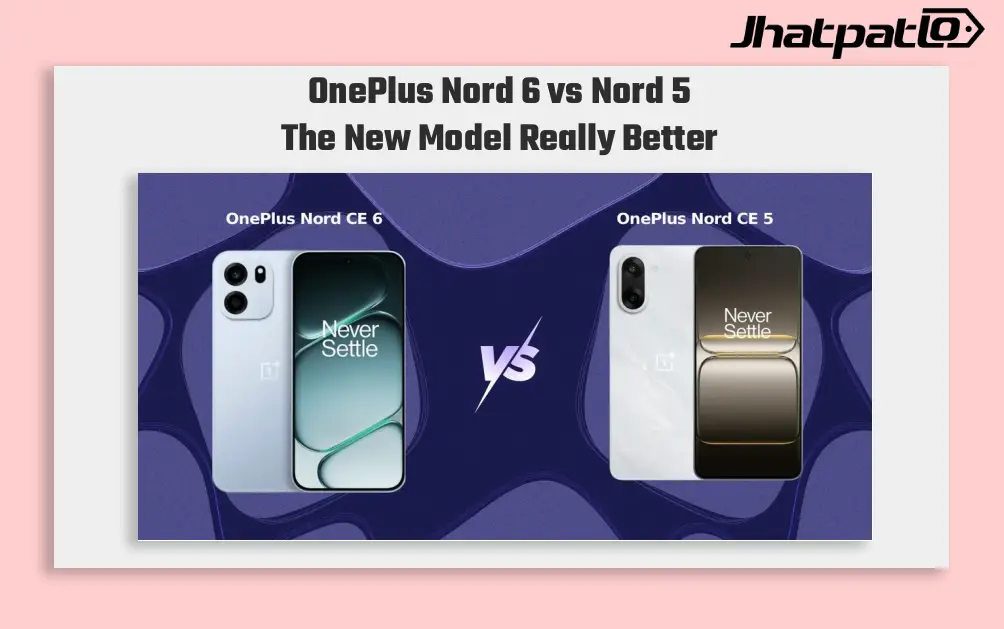
OnePlus Nord 6 vs Nord 5 What’s New and Is It Worth Upgrading?
OnePlus Nord 6 vs Nord 5 is mostly about speed, endurance, and a few durability gains rather than a full redesign. If you are comparing the two for a purchase or upgrade, the main question is simple: does the Nord 6’s stronger battery, faster chip, and tougher build matter more than the No...

Motorola Edge 70 Pro Launches in India at Rs 38,999 with Dimensity 8500
Motorola Edge 70 Pro arrives in India Motorola Edge 70 Pro Launches in India, with pricing starting at Rs 38,999 for the 8GB RAM and 256GB storage variant. The new smartphone goes on sale exclusively through Flipkart from April 29, and the launch offer can bring the starting price down to Rs...
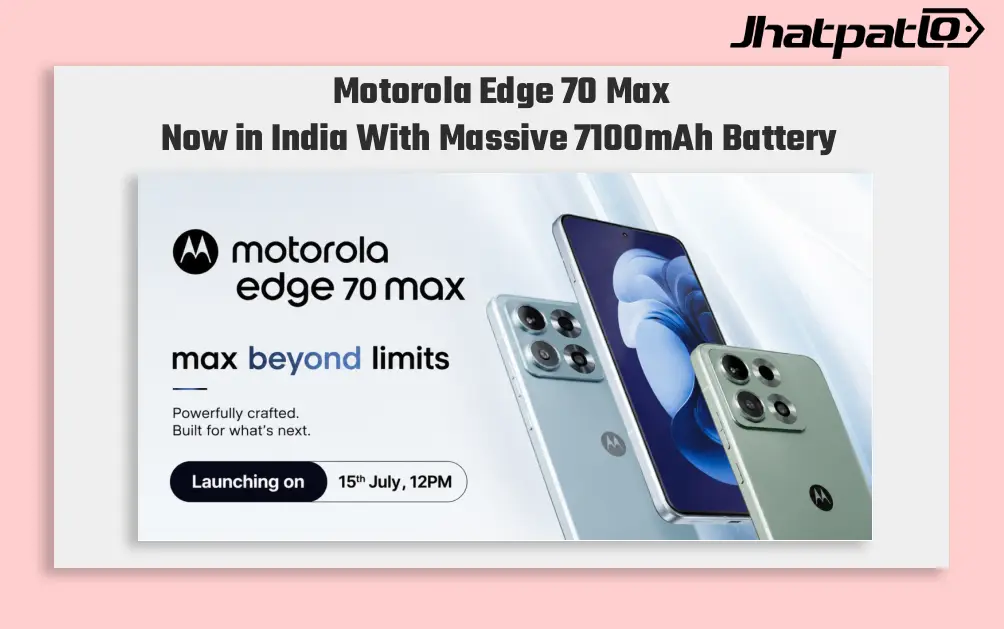
Motorola Edge 70 Max launch brings 7,100mAh battery to India
Motorola has launched the Edge 70 Max in India with a clear focus on battery life, but the phone is not stopping there. It also brings a Snapdragon 8 Gen 5 setup, a 50MP OIS camera, fast charging, and a premium display, giving buyers a flagship-style option without leaning only on enduranc...

OnePlus Nord 6 Goes on Sale in India Today at Rs 38,999
OnePlus Nord 6 sale begins in India OnePlus Nord 6 goes on sale in India today, April 9, at 12 PM IST, with the starting price set at Rs 38,999 for the 8GB + 256GB variant. The phone is available on Amazon India, OnePlus.in, OnePlus Experience stores and select offline outlets, while bank off...

Motorola Edge 70 Pro+ Launches in India With 50MP Telephoto Camera
Motorola has launched the Edge 70 Pro+ in India with a 50MP telephoto camera, a 6,500mAh battery, and a price starting at Rs. 47,999. The phone sits above the regular Edge 70 Pro and keeps the Dimensity 8500 Extreme platform, which makes it a direct option for premium Android buyers looking at...
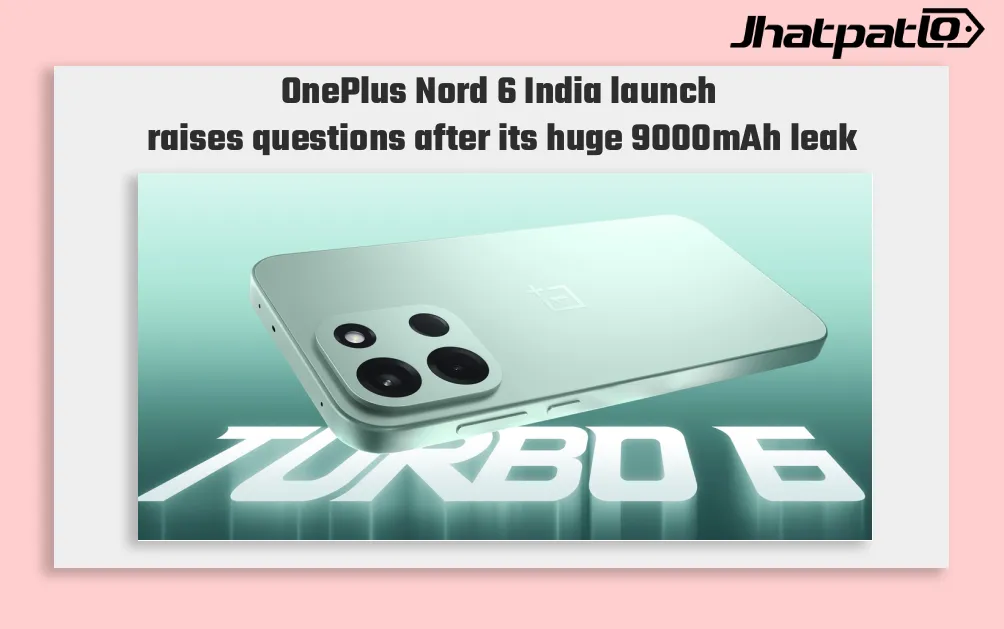
OnePlus Nord 6 India launch hints at a 9000mAh twist buyers didn’t expect
OnePlus Nord 6 launch details OnePlus is set to launch the Nord 6 in India on April 7 at 7 PM IST, with sales starting April 9 at 12 PM IST. The phone will be sold through Amazon India, OnePlus’ official website, OnePlus Experience stores and select offline outlets. The company has alrea...