


Samsung memory price lawsuit targets DRAM prices in US class action
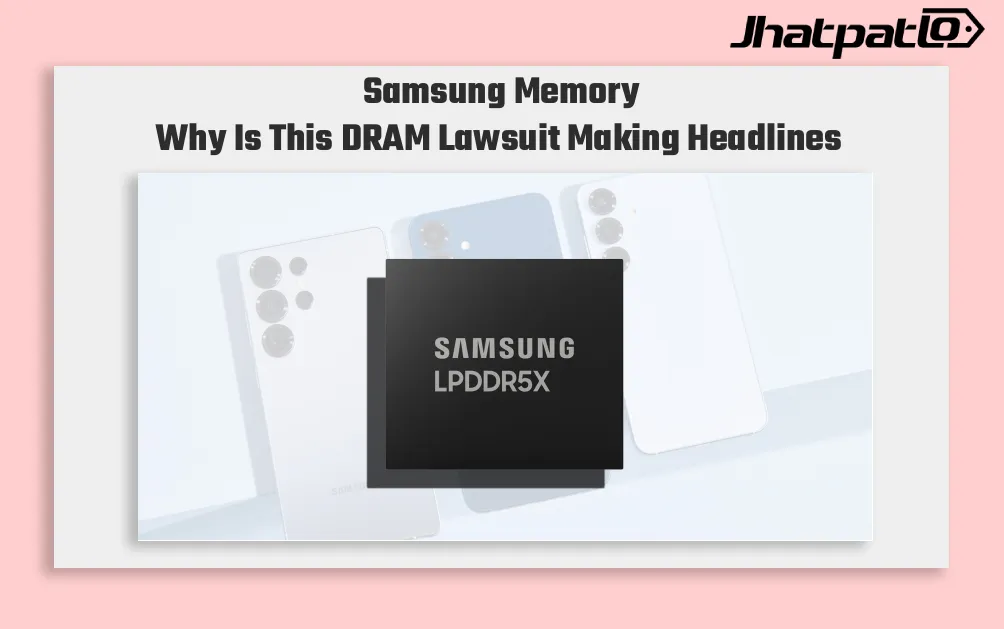
Samsung memory price lawsuit claims consumers paid inflated costs after DRAM shortages pushed RAM prices sharply higher across PCs, phones, and other devices. The filing puts Samsung, Micron, and SK Hynix in the center of a US consumer damages claim, with possible fallout for memory pricing across the broader chip market.
Class action over RAM prices focuses on alleged supply choke points
The complaint says the DRAM supply shortage lawsuit centers on coordinated output restraint during a period of explosive demand. In plain terms, the case is built around the idea that memory supply did not simply tighten on its own. Instead, plaintiffs are arguing that supply choke points may have contributed to the steep rise in RAM prices that consumers saw across the market.
DRAM is a core component in everyday electronics, so shifts in its price can move quickly into finished products. That is why the lawsuit matters beyond the memory sector itself. If the court accepts the claim that the memory chip price surge was more than normal market movement, the case could put pressure on how suppliers explain pricing changes during periods of shortage.
The filing also sits inside a broader RAMpocalypse pricing controversy, where consumers and industry observers have pointed to unusually sharp increases in memory costs. The legal claim does not automatically prove wrongdoing, but it does place a spotlight on how memory makers managed supply while demand was rising fast.
According to the outline, the complaint centers on these key ideas:
- DRAM shortages allegedly pushed RAM prices higher across consumer devices.
- The lawsuit claims supply restraint happened during explosive demand.
- Plaintiffs want to show the price surge was not just ordinary market drift.
- The case could affect how memory suppliers justify future pricing decisions.
Micron and SK Hynix face consumer claims tied to device pricing
Micron and SK Hynix are also named in the consumer claims, which broadens the case well beyond Samsung. That matters because DRAM pricing affects a wide range of devices, not only servers or enterprise hardware. Phones, laptops, and graphics cards are specifically important here, since those are the products most likely to reflect higher component costs when memory prices move up sharply.
If inflated DRAM consumer claims gain traction in court, the possible impact could spread through the electronics supply chain. A damages finding would not only concern the memory chips themselves. It could also shape how manufacturers, retailers, and other parts of the chain think about pricing risk when components become harder to source.
For consumers, the basic allegation is simple: higher DRAM prices may have been passed through into the devices they bought. The case is still a claim, not a final determination, but it highlights how memory shortages can reach far beyond chipmakers. A small change in a key component can ripple into finished products that millions of people use every day.
The lawsuit also raises a broader market question. If courts find that pricing behavior in the memory sector was linked to supply restraint, that could influence future scrutiny of chip pricing during shortage cycles. Even before any ruling, the Samsung, Micron, and SK Hynix claims show how quickly a memory market squeeze can become a consumer class action.
For now, the case is centered on alleged inflation in DRAM-related pricing and the consumer harm that may have followed. The final outcome will depend on what plaintiffs can prove, but the filing has already made the memory market a focal point for pricing debate in the US.

Mahi Gupta
✉ mahigupta708076@gmail.comRelated Products








Xiaomi 18 Pro 3C certification reveals 100W charging
Xiaomi 18 Pro and Xiaomi 18 Pro Max have surfaced in China’s 3C certification reveals database, with M154FF and M311AD both linked to a 100W charger listing. That is the clearest early sign yet that Xiaomi’s next flagship pair is moving toward launch, and it also lines up with earlier leak...

Vivo Y-Series Price Hike Raises Y51 Pro Y31 5G and Y21 in India
Vivo has raised prices for five Y-series smartphones in India, with increases going up to Rs 4,000 on its official online store. The biggest jump is on the Y51 Pro 8GB+256GB model, while the Y31 5G and Y21 have also moved higher across multiple variants. Vivo Y51 Pro price update lea...

Poco F9 Ultra battery leak points to 8,050mAh and 100W charging
Poco F9 Ultra battery leak details surfaced in HyperOS code, pointing to an 8,050mAh cell for the global model and a 100W charging setup. The Poco F9 Pro is also tipped to use a 6,330mAh battery with the same 100W limit, while both phones are still expected to keep the Snapdragon 8 Elite G...

Realme 16x 5G price leak points to ₹25,999 India launch
Realme 16x 5G price leak details suggest the base 4GB+128GB model could land at ₹25,999 when it launches in India on August 12. Leaked live images also point to a 7,000mAh battery, a 144Hz display, and Dimensity 6300, making this one of the more battery-focused 5G launches in the segment....

Moto Pad 70 launched in India with 12.1 inch 2.5K display
Moto Pad 70 has launched in India with a 12.1-inch 2.5K display, 5G support, and a Moto Pen in the box. Motorola is aiming this tablet at buyers who want more than basic entertainment, and the early positioning makes it clear that the device is being pushed as a productivity-focused option...

ColorOS 17 Closed Beta Testing Opens for OnePlus 15 and Find X9 Pro
Oppo has opened ColorOS 17 Closed Beta Testing for a limited set of flagship phones, with 300 seats per device and applications running only from August 6 to August 7. The first wave includes the OnePlus 15, OnePlus 15R, Find X9 Pro, Reno 15 Pro, and Realme GT 8 Pro, giving early testers a...