


HBM4 Memory Chips Drive Demand as Samsung Reveals New Designs
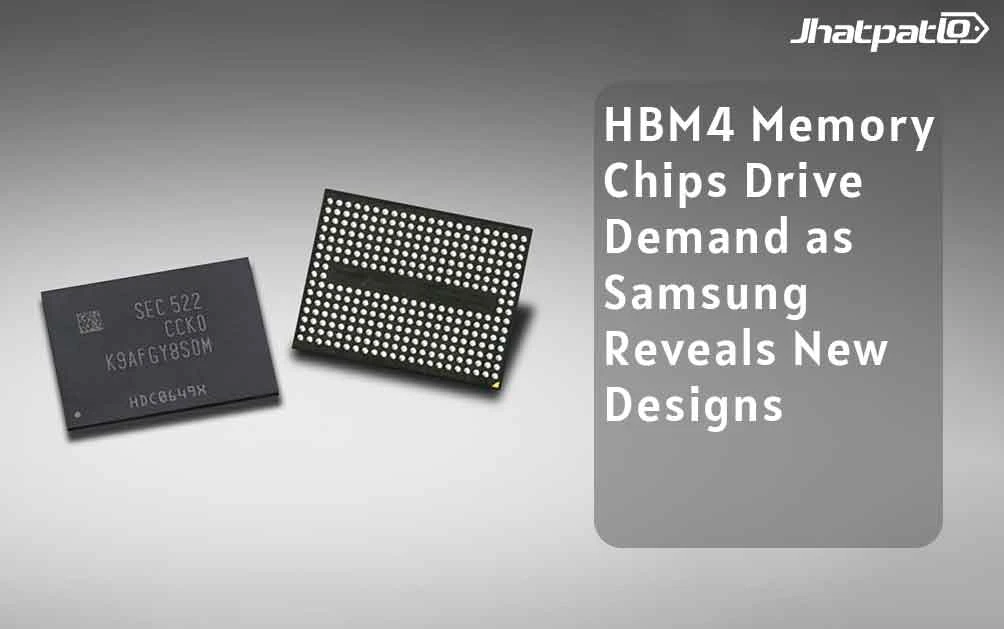
Samsung Signals Strong Demand for HBM4 Memory
Samsung expects demand for its memory chips to stay high through 2027 as AI hyperscalers order memory at unprecedented levels, pushing prices higher. Song Jai-hyuk, the CTO of Samsung’s Device Solutions division, spoke at Semicon Korea and outlined the company’s memory plans and outlook.
The company said it plans to push HBM4 memory into mass production in the first quarter of this year, aiming to meet early demand from customers already evaluating the newer format. Feedback from corporate customers that have received some HBM4 shipments was described as 'very satisfactory' by the CTO.
Samsung noted that last year’s results showed strength in the HBM family. It reported booming sales in Q3 on the back of strong demand for the previous HBM3E format and that momentum continued into Q4. The executive said AI hyperscalers are among the customers driving this demand.
HBM4 Tech Advances: Hybrid Bonding, zHBM and PIM
Looking ahead, Samsung has developed a hybrid bonding technology for HBM that reduces the thermal resistance of 12H and 16H stacks by 20%. In tests, engineers observed about 11% lower temperature on the base die. It was not clear when hybrid-bonded dies will be available to consumers.
Another related technology is zHBM, which stacks dies in the Z-axis. This approach is expected to boost memory bandwidth about fourfold while reducing power consumption by about 25%.
Samsung is also pursuing custom HBM designs with some compute capabilities built into the memory itself, known as processing-in-memory or PIM. According to the CTO, the custom HBM design can increase performance about 2.8x while keeping power efficiency roughly the same.
- HBM4 memory planned for Q1 shipments
- Hybrid bonding lowers thermal resistance by 20% for 12H/16H stacks; tests show 11% lower base-die temperature
- zHBM stacks dies in Z-axis; 4x memory bandwidth; 25% lower power
- PIM-based custom HBM design yields about 2.8x performance with similar power efficiency
The CTO’s remarks underscore Samsung’s path toward higher memory capacity and compute within memory as AI workloads shape cloud infrastructure. Industry observers will monitor how quickly these technologies move from development to production and how demand dynamics influence pricing and supply.
Looking to the future, Samsung has developed a hybrid bonding technology for HBM. This reduces the thermal resistance of 12H and 16H stacks by 20%. In tests, Samsung observed 11% lower temperature on the base die. It’s not clear when hybrid-bonded dies will be available to consumers.
Another related technology is called zHBM, which stacks dies in the Z-axis. This approach will boost memory bandwidth 4x while reducing power consumption by 25%.
Related Products


Samsung leads global DRAM market share as Q2 2026 prices rise
Samsung held 39% of global DRAM sales in Q2 2026, staying ahead of SK Hynix at 26% and Micron at 25%. Rising DRAM prices helped, but Samsung also benefited from stronger HBM execution, which added more pressure across the DRAM supply chain. That mix of pricing and product strength is impo...

Samsung AI Chip Shortage Could Last Through 2028 as Demand Surges
Samsung’s AI chip shortage warnings now point to a problem that could stretch into 2027 and 2028, even as quarterly operating profit jumped 19-fold. The pressure is coming from strong demand for memory chips used in AI servers and data centres, while factory output is still lagging behind....

SK hynix fab investment 2026 lifts Yongin Y2 and M17 output plan
SK hynix fab investment 2026 centers on KRW 54 trillion, or about $38 billion, split between Yongin Y2 and Cheongju M17. The company is targeting cleanroom openings in 2029 and 2028 as it tries to keep HBM, DRAM, and NAND supply aligned with AI memory demand changes. That matters for cust...
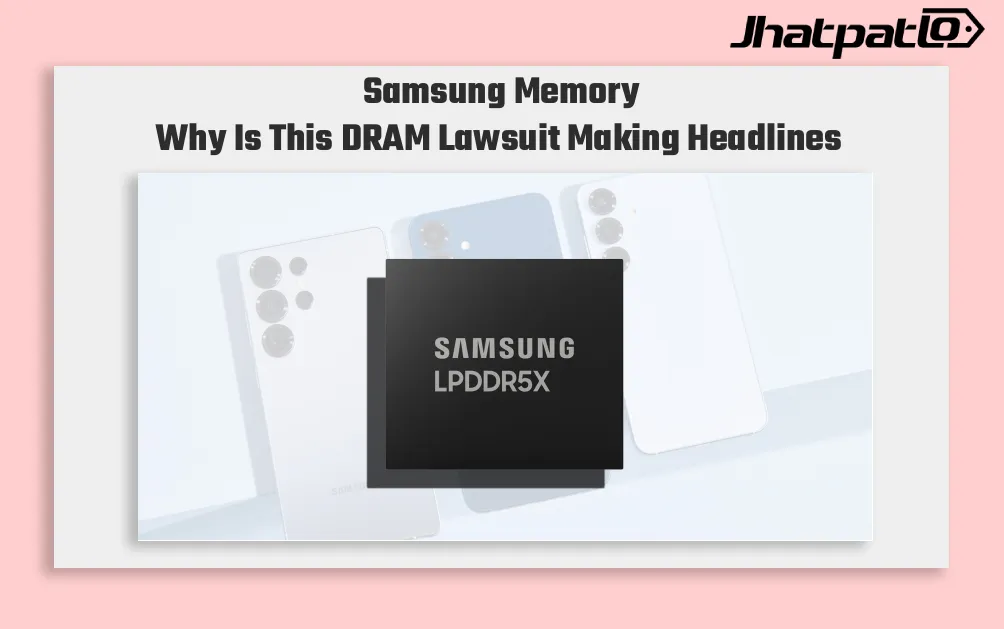
Samsung memory price lawsuit targets DRAM prices in US class action
Samsung memory price lawsuit claims consumers paid inflated costs after DRAM shortages pushed RAM prices sharply higher across PCs, phones, and other devices. The filing puts Samsung, Micron, and SK Hynix in the center of a US consumer damages claim, with possible fallout for memory pricin...

IDC Forecast Global Smartphone Shipments Drop to a Decade Low as Memory Shortage Drives Prices Up
Global smartphone shipments are forecast to fall to 1.1 billion units in 2026, a 12.9 percent year-on-year decline, as memory shortages tighten supplies and push costs higher. The International Data Corporation (IDC) says the drop will bring annual shipments to their lowest level in more t...
Samsung mobile division loss fears grow as Q2 2026 profit leans on chips
Samsung’s mobile business is under fresh scrutiny as Q2 2026 profit appears increasingly dependent on semiconductors rather than phones. Reports from DealSite South Korea point to a possible swing in MX results, and the bigger issue is simple: even strong Galaxy sales may not be enough to...