


Apple Says Siri AI Won’t Launch in the EU After DMA Clash
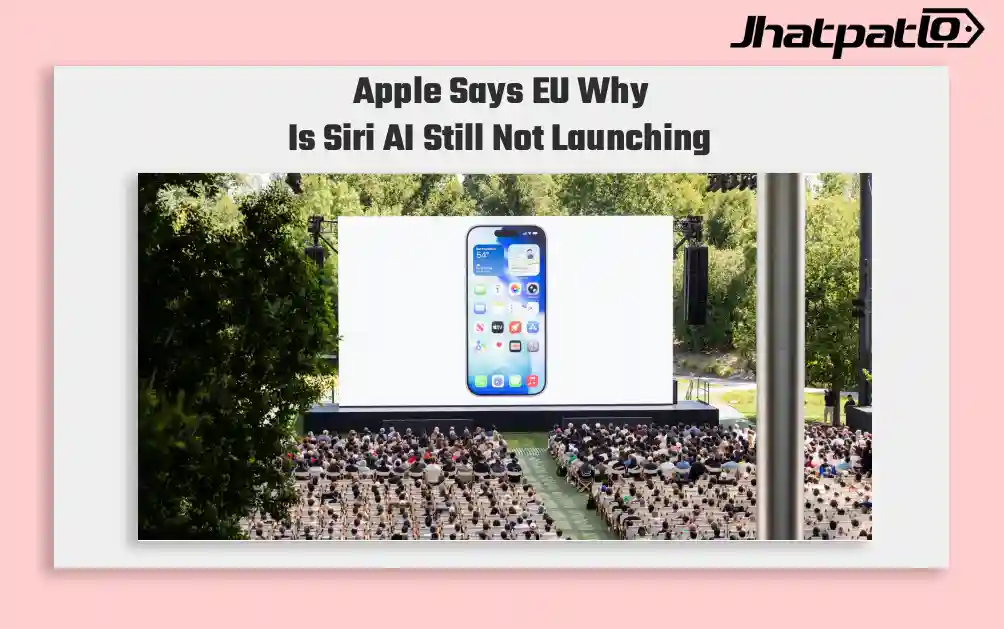
Apple’s Siri AI rollout in the EU is facing delay after a dispute with regulators over DMA compliance. The disagreement centers on interoperability, privacy, and how much device data Apple can access.
Apple Says EU Rules Block Siri AI Access to Device Data
Apple says its upgraded Siri would need broad access to communications and other personal information to work as intended. In the company’s view, that creates a problem under Europe’s Digital Markets Act, especially if the assistant is expected to function across apps and device features in a consistent way.
The company argued that it had proposed a secure intermediary and shared that plan months ago. Apple also sought an 18-month exemption from those obligations, according to the outline, but regulators rejected that request. The result is a delay for the EU launch, even as Apple frames the issue as one of compliance rather than product readiness.
For iPhone and iPad users, the practical concern is simple enough. If Siri AI relies on data access that does not fit EU rules, then the feature cannot be deployed in the same form as in other markets. That does not mean Apple cannot release AI tools in Europe at all, but it does suggest the company may need a different setup for the region.
EU Says Apple Can Ship Siri AI, But Not on Its Terms
Brussels says the DMA does not stop Apple from launching new products in Europe. The European Commission’s position is that Apple did not present a compliance model that satisfied privacy and security standards. In other words, the issue is not a blanket ban on Siri AI, but a disagreement over how the feature should be built and governed.
That distinction matters because the DMA is meant to shape platform behavior in the EU, not block innovation outright. Apple is still expected to meet interoperability requirements, but the company also wants to keep tight control over access to device data. Those two goals do not always align, and this dispute shows how quickly they can collide.
The broader significance goes beyond one assistant update. This is becoming a test case for how far Apple can control AI access on its own hardware in the premium smartphone market. If the company cannot launch Siri AI on its preferred terms in the EU, it may have to adapt future AI features more carefully for European regulators as well.
For now, the key facts are clear. Apple says the European Commission blocked the rollout. Brussels says Apple chose not to ship under the rules. And the unresolved question is how privacy, interoperability, and on-device AI can be balanced without forcing users or regulators to accept unnecessary risk.
Related Products



Apple is testing Siri with Gemini and Claude in iOS 27 and what experts aren’t saying
Apple Said to Open Siri to Third Party AI Assistants Apple is reportedly preparing a major change to Siri that would let the assistant work with third party AI chatbots beyond ChatGPT. According to Bloomberg’s Mark Gurman, the system could arrive with iOS 27, alongside iPadOS 27 and macOS...
Apple Siri AI Adds Onscreen Awareness and Personal Context
Apple is pushing Siri past basic voice commands and toward a more context-aware assistant. The update brings onscreen awareness, personal context, and iCloud-synced continuity across Apple devices, while still keeping privacy and hardware support central to the rollout. Apple Siri AI Gets a D...
Real time price comparison India Apple delays Siri upgrades for iOS 26.4
Delay details Apple is delaying a set of AI powered Siri upgrades planned for iOS 26.4, according to Bloomberg's Mark Gurman. The features were expected to push the voice assistant toward more contextual understanding, a personalized Siri, and deeper app integration, but development challenges have...
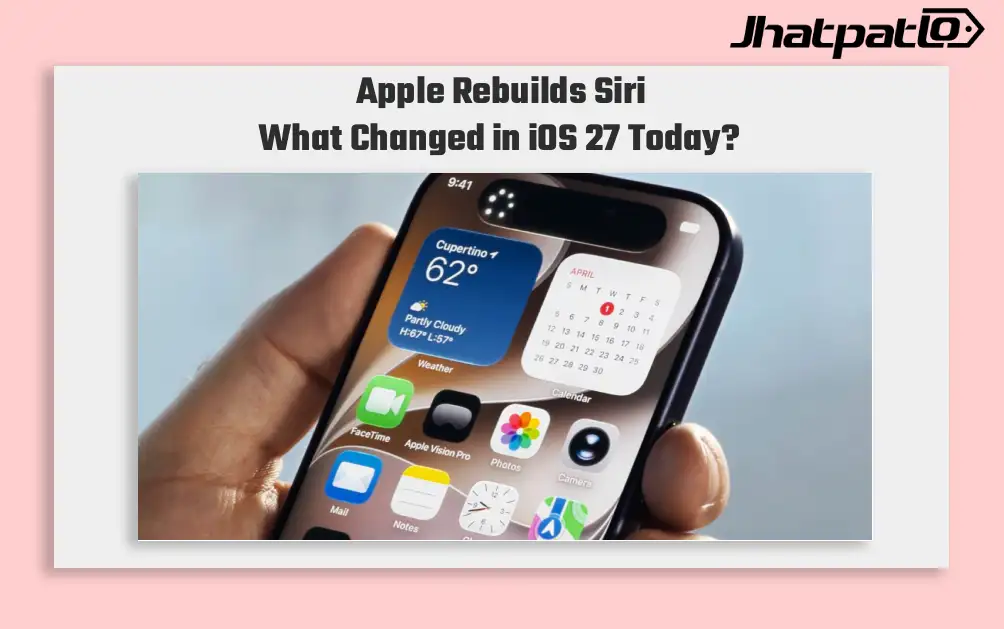
iOS 27 Adds Liquid Glass Controls and Faster App Launches
Apple’s iOS 27 update focuses on refinement, not a full redesign. The software brings Liquid Glass opacity controls, faster app launches, and a rebuilt Siri, while some AI features remain limited to iPhone 15 Pro and newer. Developer beta access starts first, public betas follow in July, and the...
Apple Plans Siri App Revamp With Gemini Access and New AI Features
Apple Plans Siri App for iPhone, iPad and Mac Apple is reportedly preparing a broader artificial intelligence push that includes a major Siri overhaul, with a standalone app under testing for iPhone, iPad and Mac. According to Bloomberg's Mark Gurman, the redesigned Siri interface could r...

Apple WWDC 2026 Teaser Hints at Siri Overhaul With New AI UI
Apple WWDC 2026 teaser points to Siri changes Apple has reportedly teased a major Siri overhaul ahead of WWDC 2026, with early signs pointing to a redesigned interface and deeper AI integration in iOS 27. Bloomberg’s Mark Gurman said the conference artwork may be hinting at the next version o...