


Hisense U7T Pro RGB Mini LED TVs launch with 180Hz 4K gaming
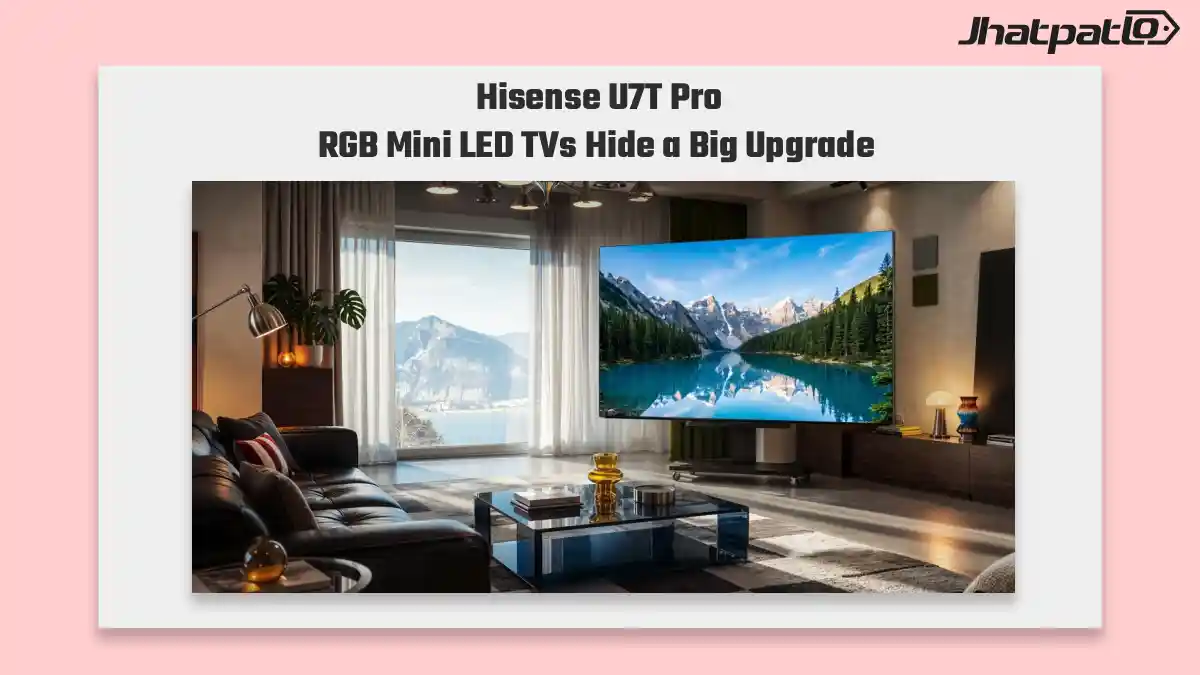
Hisense has launched the U7T Pro RGB Mini LED TVs with up to 6,912 local dimming zones, 180Hz 4K gaming support, and a 100-inch model that carries 330W Devialet audio. The range is clearly aimed at buyers who want a premium large-screen TV with stronger backlight control and gaming features built in.
The lineup also brings the MediaTek 9655 processor TV platform, four HDMI 2.1 ports, VRR, ALLM, AMD FreeSync Premium Pro, and a 360Hz low-resolution mode. In practical terms, that puts the U7T Pro series in direct competition with other gaming-focused mini-LED TVs in the premium segment.
News Highlights
- Hisense’s U7T Pro RGB Mini LED TV range tops out at 6,912 local dimming zones, with the 100-inch model getting the strongest backlight hardware in the series.
- The flagship 100-inch version includes a 4.2.2-channel speaker system with 18 speakers and 330W Devialet audio, while smaller sizes use lower-output 4.1-channel setups.
- Gaming support includes 180Hz 4K output, four HDMI 2.1 ports, VRR, ALLM, AMD FreeSync Premium Pro, and a 360Hz low-resolution mode.
- Hisense is also using the MediaTek 9655 processor TV platform and a Phantom Blade Zero picture mode, which positions the range against premium mini-LED TVs from Samsung and LG.
Hisense U7T Pro RGB Mini LED TVs add 330W Devialet audio on 100-inch model
The audio setup is one of the more notable parts of the launch. The flagship 100-inch version gets a 4.2.2-channel system with 18 speakers and 330W Devialet audio. That is a fairly aggressive specification for a TV, and it suggests Hisense wants the largest model to stand on its own without requiring an immediate soundbar upgrade.
Smaller models in the U7T Pro range use lower-output 4.1-channel systems instead. Hisense does not present those versions as identical to the 100-inch model, which makes sense. Large-screen premium TVs often scale features by size, and audio hardware is usually one of the first places where the differences show up.
For buyers comparing big-screen sets, the 100-inch model will likely be the attention grabber. A high-output built-in speaker system matters most when the screen is being positioned as a centerpiece living-room display. It is not just about volume, either. The extra channels are meant to help create a fuller sound field, which is useful if the TV is expected to handle movies, sports, and games on its own.
Hisense U7T Pro RGB Mini LED TVs use MediaTek 9655 and Phantom Blade Zero mode
On the gaming side, Hisense is leaning hard into speed and compatibility. The U7T Pro series supports 180Hz 4K gaming, four HDMI 2.1 ports, VRR, ALLM, and AMD FreeSync Premium Pro. Those are the kinds of specifications buyers usually look for in a premium gaming TV, especially if they want support for modern consoles and PC play.
Hisense also lists a 360Hz low-resolution mode, which is aimed at faster gameplay when the display is not running at full 4K output. That is the kind of feature that tends to appeal more to competitive players than casual users, but it still broadens the TV’s use case.
The MediaTek 9655 processor TV platform is another important part of the package. It provides the hardware base for the TV’s smart functions and gaming features, while the Phantom Blade Zero picture mode gives the U7T Pro a more specific gaming identity. Taken together, these details make the range look less like a general-purpose mini-LED launch and more like a direct play at the gaming-television segment.
That matters because the competition in this category is already crowded. Premium mini-LED sets from brands like Samsung and LG are often judged on bloom control, motion handling, and how well they balance picture quality with gaming performance. Hisense is clearly pushing the U7T Pro series into that same conversation.
Hisense U7T Pro RGB Mini LED TVs focus on premium large-screen mini-LED competition
The other headline feature is the backlight system. Hisense says the U7T Pro RGB Mini LED range offers up to 6,912 local dimming zones across the lineup, with the 100-inch model using the strongest backlight hardware. That matters because local dimming zone count can have a direct effect on contrast control and blooming, especially on very large panels.
In practice, more zones usually help the TV manage bright highlights and dark scenes with less visible haloing around objects. That is one of the main areas where premium mini-LED sets are evaluated, and it is one reason this launch will be watched closely by TV buyers who compare spec sheets.
Hisense appears to be aiming squarely at the large-screen premium market here, not just the general mainstream segment. The 100-inch model in particular gives the range a clear flagship role, while the smaller variants still carry the same core idea: a mini-LED TV built for gaming, strong brightness control, and high-end living-room use.
For anyone tracking the premium TV market, the U7T Pro series is notable because it blends gaming-first features with serious audio hardware and a high-zone backlight system. That combination is not new in the category, but Hisense is packaging it in a way that makes the 100-inch model stand out immediately.

Related Products



Xiaomi opens blind reservations for its first RGB Mini LED TV
Xiaomi has opened blind reservations in China for its first RGB-Mini LED TV, the TV S Pro RGB-Mini LED 2027 Ultra, with deposits running from August 22 to September 1. The launch is aimed at buyers looking for a 144Hz gaming TV, and Xiaomi is pairing the reservation with a 100 yuan deposit...
Xiaomi TV S Pro 2027 Supreme Edition brings 5,500 nits and 170W audio
Xiaomi has launched the TV S Pro 2027 Supreme Edition with a 5,500-nit peak brightness claim and 170W audio, aiming the set at premium living rooms and bright spaces. The new model also adds 4K 180Hz gaming support, HyperOS 4, and viewer-tracking automation through a millimeter-wave radar...
LG smart TV privacy claims spark backlash over voice and ACR tracking
LG smart TV privacy claims are facing renewed scrutiny after a viral security report alleged that some OLED TVs can track viewing across apps, HDMI, USB, and cable inputs. The bigger issue now is not just targeted advertising, but how much data a connected TV may collect in the living room...
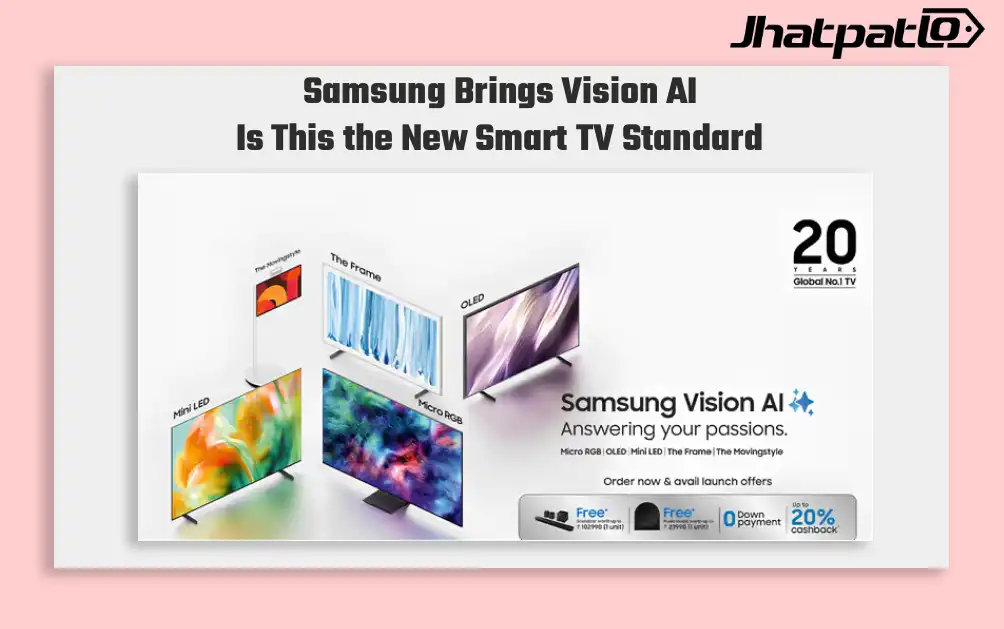
Samsung Brings Vision AI to 72 TVs in India With Micro RGB Debut
Samsung Brings Vision AI to More TV Models Samsung has launched 72 TV models in India for 2026, extending Vision AI across 4K and above models and adding Micro RGB TVs to its lineup. The company said the range starts at Rs 36,990 for UHD models and goes up to its premium Micro RGB offerings....
Huawei Smart Screen S7 RGB Preorders Open With 55 Inch Price
Huawei has opened preorders for the Smart Screen S7 RGB in China, with the 55-inch model starting at 3,999 yuan. The TV series also includes 65-inch and 75-inch versions, and it places Huawei’s RGB MiniLED push in a price range where buyers will pay close attention to panel performance and...